
“The town hall is a haircut. The abbot is a tool of labor: the lessons of history turned into a circus
There is much to be said about the fact that history becomes almost a mandatory subject
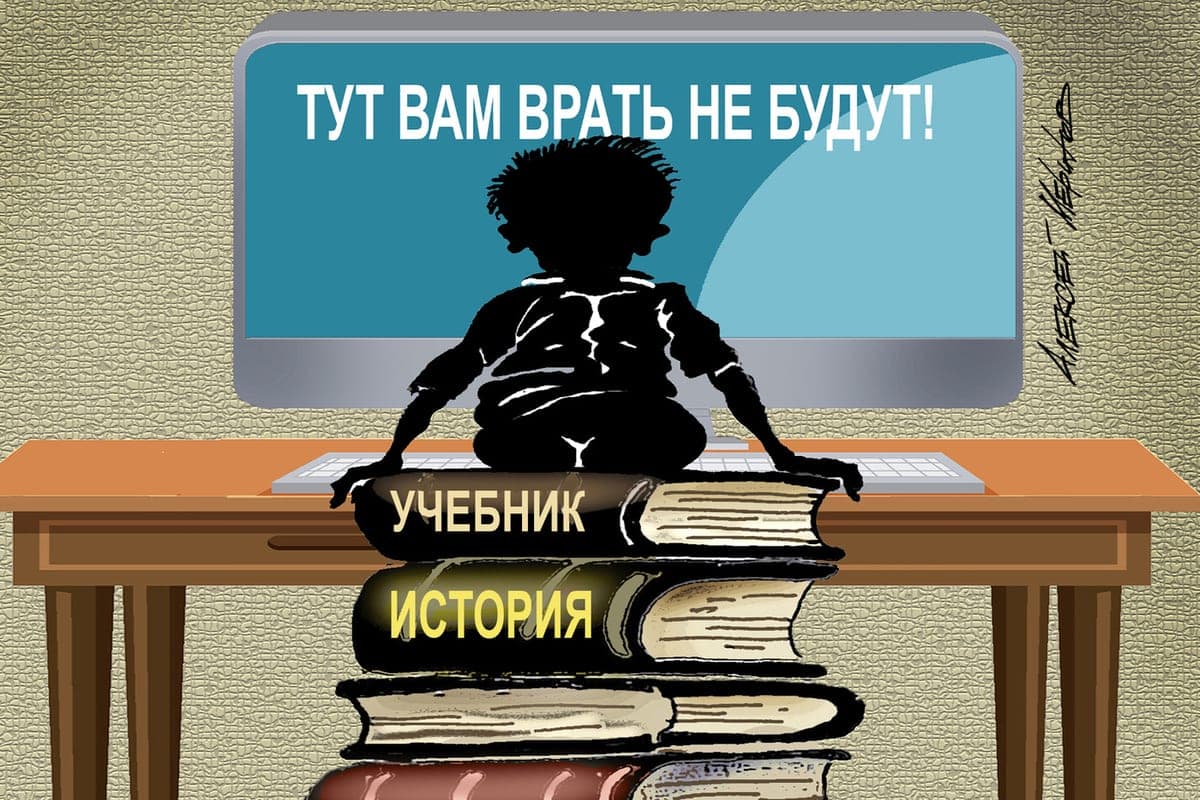
The first half of the year in high school is a time for studying foreign history: sixth-graders have time to memorize the chronicles of the Hundred Years War, seventh-graders get to the era of the Great Geographical Discoveries, and students of the 8th grade are waiting for the war for US independence. Each epoch is a reality, as well as certain historical terms. However, to most adults, they will not seem “terms” – ordinary words from the vocabulary are slightly wider than the average. However, the teachers of history grab their heads: it is not necessary to dream of children learning them.
- My program now has a medieval city, well, sixth grade, says Anastasia Sergeevna, a history teacher at one of Moscow schools. We have not been able to write the so-called conceptual dictation for several weeks, that is, to explain the meaning of the words in the paragraph. For example, the word "town hall": according to my children, the town hall is a haircut.
However, the “historian” herself explains: the haircut did not come out of nowhere at all – the children confused the town hall with the tonsure (the cut circle of hair on the monk’s head).
- But the “tonzura”, if you believe the control works, is a “knightly order”. And the class is when all with the same name, continues the teacher.
One could fall for the special talents of a particular class, but colleagues echo these complaints. School historians are sure that there is nothing to talk about studying a subject if children are unable to remember a few words.
- We also have the Middle Ages, and we can not cope with the vocabulary of the Church, — willingly says the teacher Tatiana Alexandrovna. We can’t learn the word “abbot.” I read everything in dictations: for example, the abbot is an instrument of labor. The abbot is the sacred stone of Muslims. Well, I get it: confused with the Kaaba. After that, I do not dream of them remembering the difference between indulgence and the Inquisition. However, sometimes children give out a wonderful mix: for example, “inclusivity”. I could not appreciate the work, because I did not understand what the student meant: indulgence or the Inquisition?
Other history teachers happily toss pearls from their own collections. For example, according to the pupils of one school, “the bishop is a title above the pope.” Or, say, “tithe is ten people who go camping” (if anything, it is mandatory in medieval Europe tax, which was 10% of income).
- You know what's the most beautiful? - grinned sadly at the end of the interviewee "MK". This is the third time we have written the same dictation with all these words. But no, they still can't learn the abbot or the town hall. And parents are also unhappy: they say, why do I ask one paragraph at home, and then give terms from the previous one?
Recall that in the 2027/2028 academic year – that is, in the next – a history interview will become mandatory for all ninth-graders. Assistant to the President of the Russian Federation Vladimir Medinsky said that the test will be held in the form of an oral interview, and no special training for children will not be required – they say, the questions will only be on school textbooks. But judging by the feedback of current teachers, even at this level, many children are expected to have big problems.


