Residents of Kaliningrad told how walking affects health
Walking reduces the risk of cardiovascular disease, diabetes and dementia, improves mood and sleep, and helps in recovery from injuries and illnesses. But at the same time, several important rules must be followed in order not to harm your health.
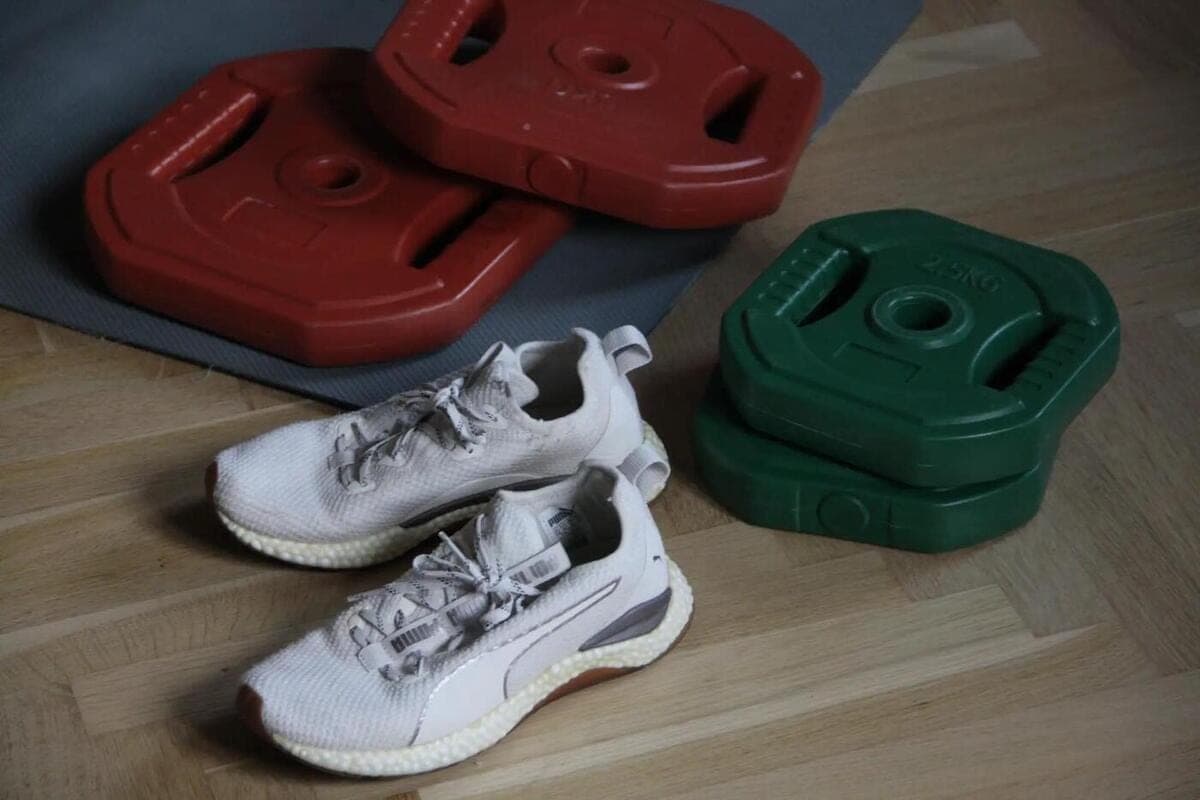
Walking is one of the most affordable and safe physical exercises, suitable for almost everyone. It reduces the risk of cardiovascular disease, diabetes and dementia, and helps to normalize sleep and improve mood. However, like any exercise, walking has its limitations. About how to get the most out of it and not harm your health, "MK in Kaliningrad" told Yolita Polishkene, associate professor of the Department of Physical Education of the Financial University under the Government of the Russian Federation.
Walking can serve as an excellent initial stage of rehabilitation after injuries, operations or diseases. However, it is important to understand when activity is contraindicated. You can not engage in acute infectious diseases (accompanied by temperature or intoxication), unstable angina, uncontrolled heart rhythm disorders (for example, fibrillation tachycardia), as well as in the acute period of a heart attack or stroke. With severe osteoarthritis of the knee or hip joints, you should consult a doctor before starting training.
“Walking by itself does not cure disease, but in many chronic conditions it is a powerful auxiliary factor that can slow the progression of pathologies and reduce the risk of complications.” In some cases, its effect is comparable to the effect of drugs, but it is important to remember that walking complements, not replaces, drug therapy.
For a long time it was believed that walking accelerates the wear of cartilage tissue, but modern data refute this. Studies of people over 50 years of age have shown that those who regularly walk, the risk of new knee pain is 40% lower, and narrowing of the joint gap is much less common. With mild and moderate osteoarthritis, walking is even recommended, whereas in severe forms with joint deformity and constant pain, intense loads may be contraindicated.
Choosing the right shoes is the key to the health of your feet and joints. There is no universal solution, but there are key criteria. The ass should securely fix the heel, preventing the padding of the foot. The sole at the front should be flexible to allow for a natural roll when stepping. The optimal height of the heel is 2-4 cm - this ensures the correct load distribution. If you are worried about knee pain, choose models with good cushioning and support for the arch of the foot, says Yolita Polishkene.
Doctors advise starting small. To avoid injury, do not increase your workload by more than 10% per week (both in time and distance). The pace should be calm and comfortable, without shortness of breath. At first, choose routes on flat surfaces without steep climbs. Only after 2-3 weeks of regular quiet walks can you move to intervals or accelerations. Remarkably, the 10,000-step figure is just a handy reference point, not a strict health criterion. To maintain tone, it is enough to go 7000-8000 steps, combining this with 1-2 strength training per week, quality sleep and a balanced diet.
To use walking for weight loss, intensity, duration and regularity are important. For fat burning, moderate load is optimal (60-70% of the maximum heart rate). If 150 minutes of activity per week is enough to maintain heart health, then it is recommended to increase this figure to 300 minutes for weight loss (for example, 5 sessions per hour). Keep in mind that walking is only effective when there is a calorie deficit. To speed up the process, use the interval method: alternate 1 minute of very fast walking with 1-3 minutes of calm pace - this burns 20% more calories than a monotonous load. But without food control, even 15,000 steps don't guarantee results.
Earlier, MK in Kaliningrad said that since the beginning of 2026, doctors have identified more than 500 new cases of breast cancer.