Mercedes-Benz warned of the risk of closing two plants in Germany due to high costs
The German automaker Mercedes-Benz for the first time admitted the possibility of closing two of its plants in Germany in the event of the refusal of employees to go to reduce the cost of production.
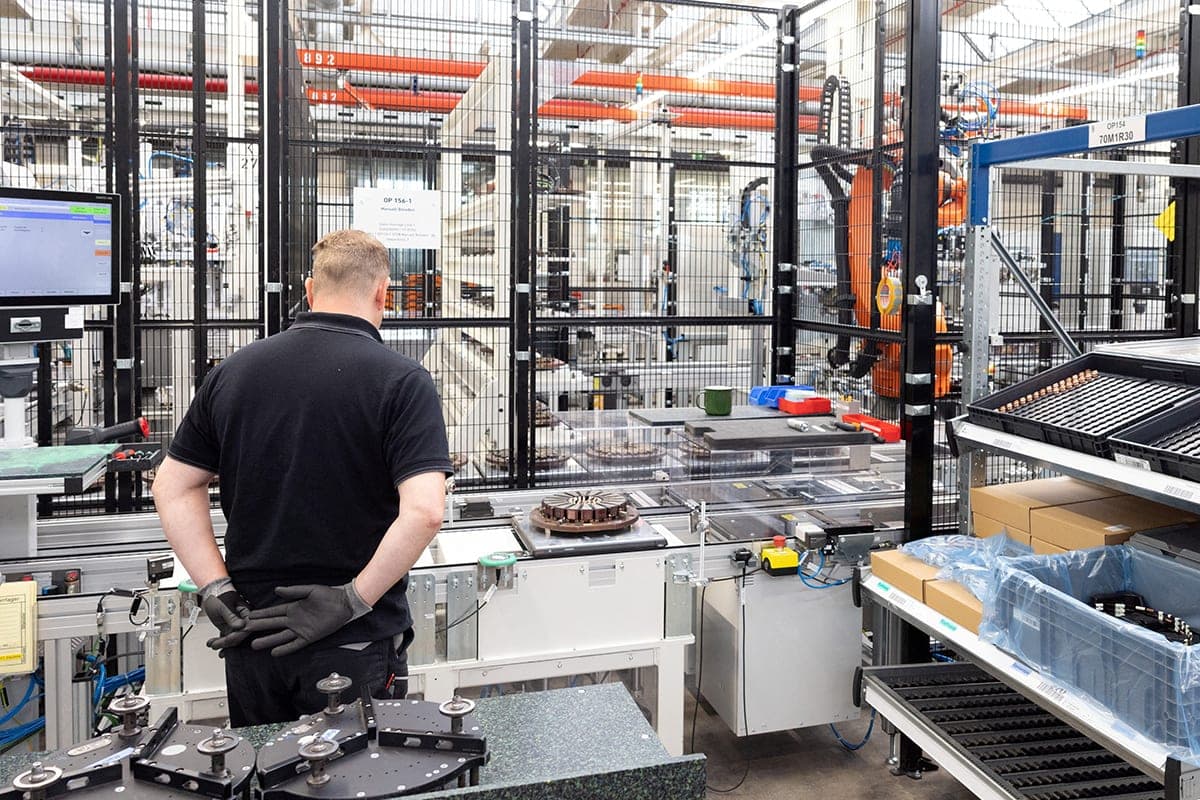
German automaker Mercedes-Benz for the first time admitted the possibility of closing two of its plants in Germany in case of refusal of employees to cut costs and increase the working week. It's from sb.by.
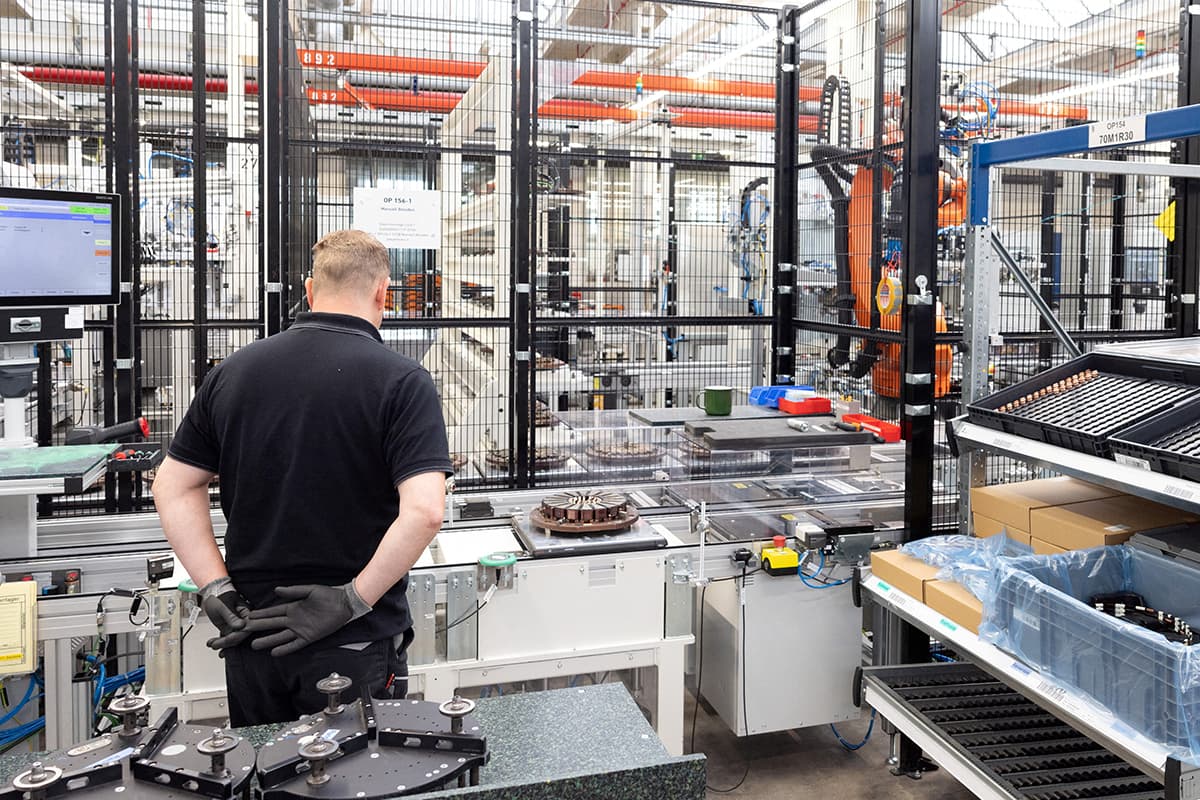
According to TASS, the magazine WirtschaftsWoche cited the words of the company’s director of production Michael Shebe. At a production meeting at the Sindelfingen plant, he said:
- Our clear goal is to preserve all German sites. However, for this, costs must be reduced. If we fail, we will have to close one German assembly plant and one powertrain plant.
It turns out that Mercedes-Benz for the first time officially confirmed the warnings of the board, which were previously reported to the media.
In June, the company said that labor productivity in Germany should rise against the backdrop of falling business performance in China and higher duties in the United States. To reduce costs, management requires employees to work longer for the same amount of money. The production board rejected the proposal. These days, at production meetings at all sites, board members demonstrate to employees that Germany is seriously behind in spending compared to Eastern Europe, amid higher salaries, fewer working hours and more days on sick leave.
At the Hungarian plant in Kecskemet, which is expanding to the largest production site in Europe, costs are 70% lower than in Germany.
- It is important for Mercedes-Benz to inform employees in advance and transparently, even when it comes to difficult decisions.
At the same time, which plants are under threat is not yet indicated. The assembly plants of the brand are based in Sindelfingen (near Stuttgart), Rastatt and Bremen. Engines, transmissions and components are also produced at the head plant in Unterturkheim, Berlin and Hamburg.
According to Handelsblatt newspaper, the company requires the production board to cancel the 35-hour working week and increase working hours to 38 hours a week, but this norm is enshrined in the industry-wide tariff agreement of the metallurgical and electrical industries. The IG Metall union is opposed.
In recent years, the German automotive industry has been experiencing a crisis that was initially triggered by the COVID-19 pandemic, and has intensified since 2022 due to a sharp rise in energy prices and increased competition from Chinese automakers. An additional negative factor was the US tariffs and the consequences of the crisis in the Middle East. The head of Volkswagen announced the reduction of management by 25%
BMW to cut thousands of jobs in Germany by end of 2027