Ankle pain years after an injury: why it occurs and what to do about it
It happens that pain in the ankle reminds itself even many years after a fracture or surgery. What is it and what solutions to the problem...
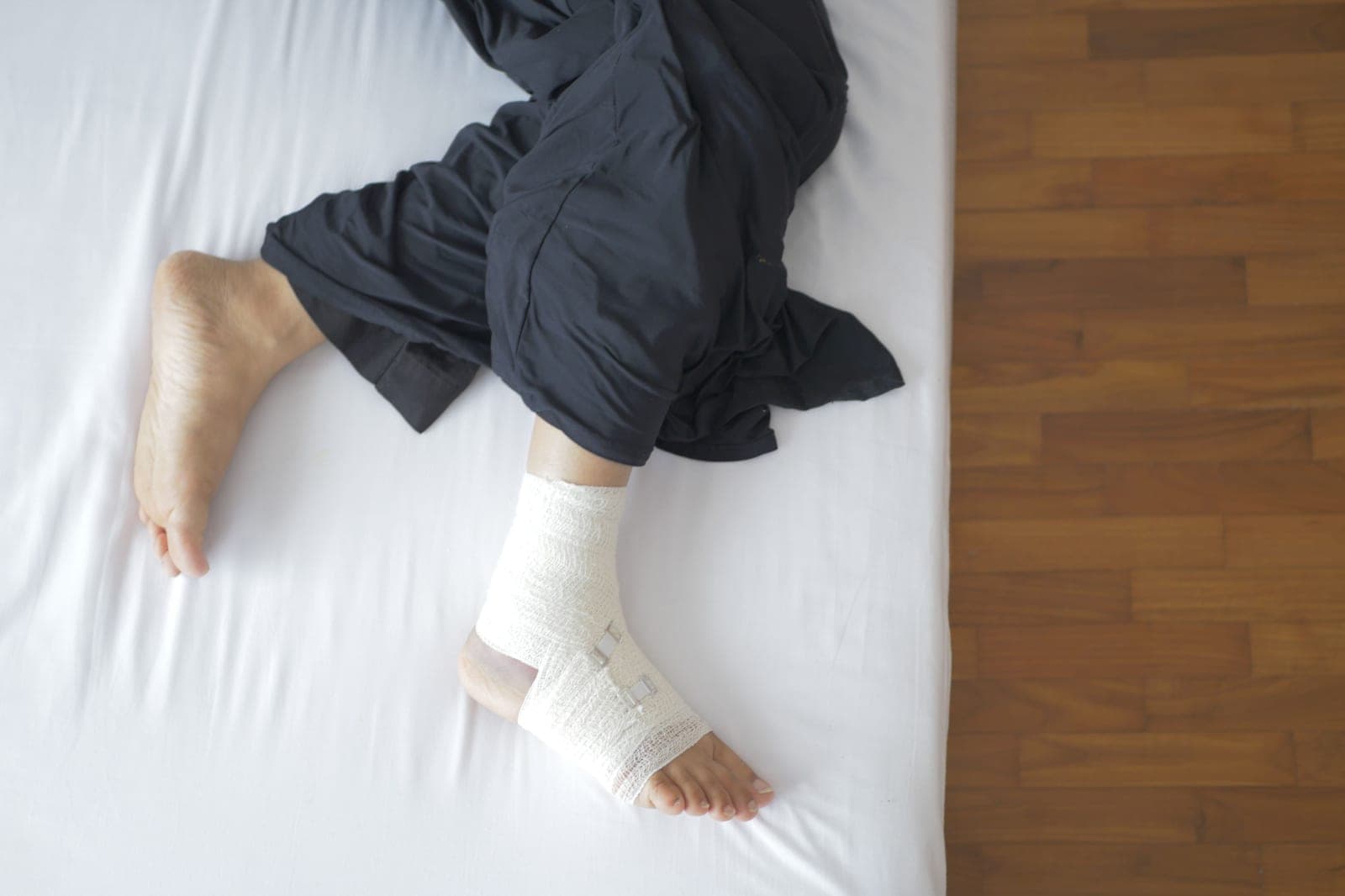
It happens that pain in the ankle reminds itself even many years after a fracture or surgery. What is it connected with and what options for solving the problem exist, said traumatologist-orthopedist Maxim Banetsky, writes sb.by.
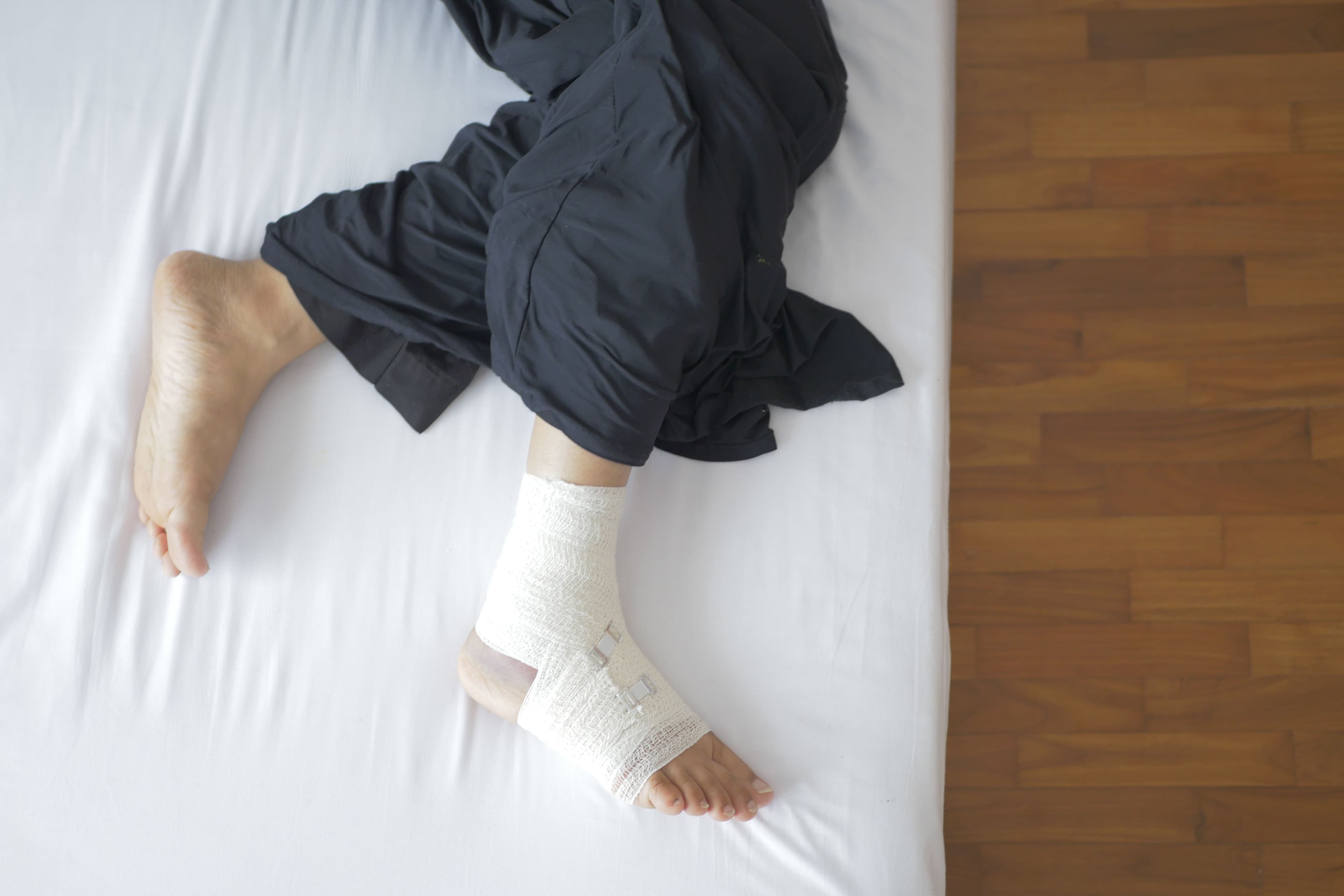
Where do late pains come from
According to Maxim Banetsky, most often in the history of such patients - fractures of the ankles, heel or ram bone:
- Even if the injury was a long time ago, its consequences can manifest after years. The key problem is the improper fusion of bones. For example, if there was a displacement of even 2 millimeters during a fracture, and it was not corrected, over time this provokes the development of arthrosis: the joint gap narrows, osteophytes increase, movements become limited, pain appears.
As the doctor noted, a fracture of the heel bone, fused in the wrong position, leads to flattening of the foot - in fact, to traumatic flatfoot. Because of this, the load on the ankle is distributed unevenly, the cartilage layer wears out faster, and arthrosis develops.
- There are also hidden injuries that may not attract attention at first, such as rupture of tibial syndesmosis (ligaments that fasten the fibula and tibia). Because of it, the ram bone experiences excessive load, which also leads to osteoarthritis over time. Therefore, it is important not only to treat the fracture itself, but also to check the condition of the ligaments, he added.
How to understand the cause of the pain now
If the pain persists after years, first of all, you need to find out exactly how the bone fused and in what condition the tissues are now. To do this, the doctor will ask:
Old X-rays to see what the fracture was and how it was treated. New pictures to compare the picture then and now. If necessary, a CT scan (to assess the position of the bones in detail) or an MRI (to check the condition of the ligaments and soft tissues).
Comparing old and new images helps to understand the dynamics of changes and find the cause of discomfort.
Heel bone fracture: why this injury is considered one of the most difficult
- The approach depends on what exactly caused the pain, Maxim Banetsky said. First, if the bone has fused incorrectly, then in some cases surgical correction is possible: opil is made, the bone is aligned and fixed in the correct position. Secondly, if arthrosis has already developed. Different methods are used here: conservative - intraarticular injections of drugs, physiotherapy, rehabilitation measures. The goal is to reduce pain and slow the progression of changes; operative ones are aimed at eliminating pain. For example, with sawdust bones, the leg can become shorter by 1-2 centimeters - this difference is compensated by the selection of insoles or, in more complex cases, arthrodesis is combined with bone elongation on the Ilizarov apparatus.
If there are doubts about the correctness of the previous treatment, you should get a second opinion from another specialist. When pain appears or increases, do not self-medicate: contact an orthopedist and provide all available pictures. Do not delay diagnosis: the sooner the cause of the pain is established, the more treatment options remain available.