How to fight excess weight and what diets are best for this
Why obesity is dangerous and what diet to follow? Interest in nutrition has arisen not by chance: the world lives in conditions of the obesity pandemic and the scale of the problem.
Why obesity is dangerous and what diet to follow?
Interest in nutrition has arisen not by chance: the world lives in conditions of the obesity pandemic and the scale of the problem has long ceased to be local. According to the WHO, 16 percent of adults are overweight, and by 2030, it is projected to be one in two people in the world. Belarus is no exception in this regard. The STEPS study, conducted under the auspices of the WHO, showed that 18.9 percent of adults are obese, and excess weight along with obesity in 53 percent of Belarusians. How to deal with this problem and what products to give preference, the journalist of “SG” learned from the experts of BSMU.

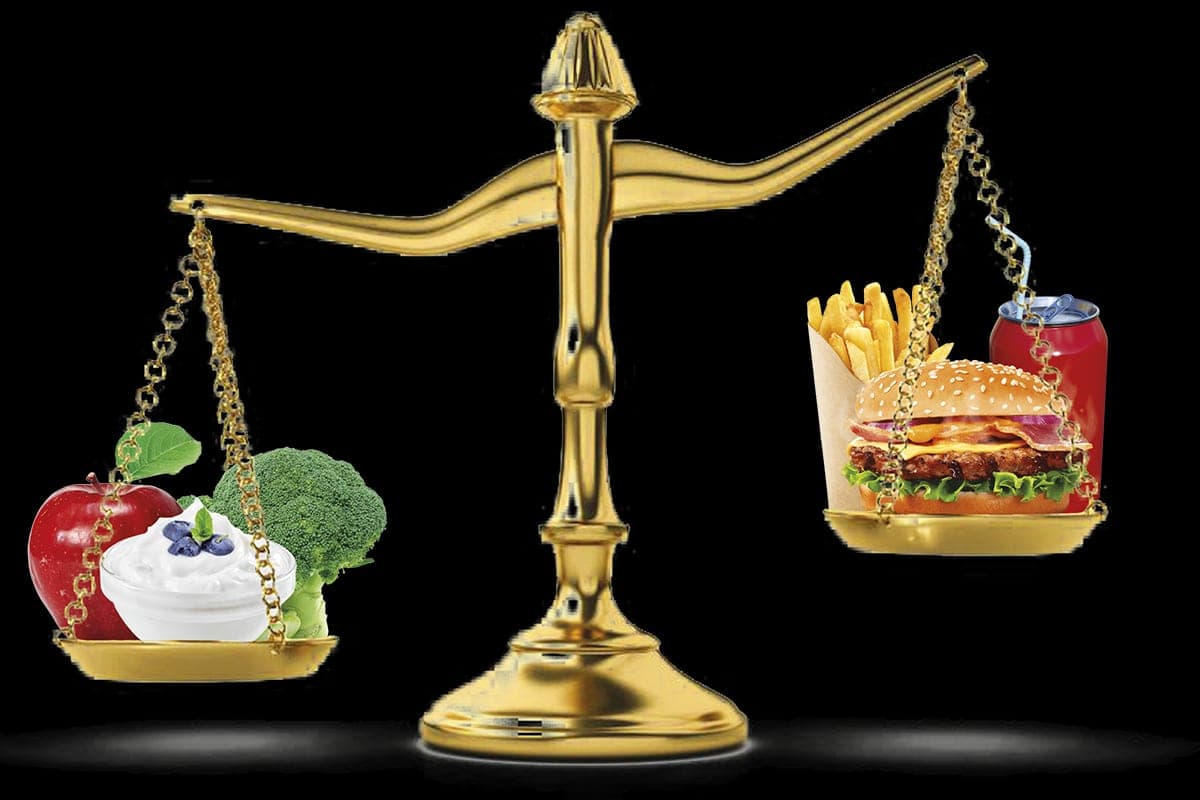
Collage by Milana Sacino The alarming bell Human metabolism simply does not cope with the lifestyle that has become the norm. We get more calories than we are able to consume: high-calorie nutrition, excess ultraprocessed foods, the habit of eating from large plates – all this leads to overeating. At the same time, physical activity decreases: sedentary work, study, hours for gadgets, automation of everyday life. To this are added socio-economic factors: the high cost of fresh and underprocessed products, fast pace of life, lack of time for home cooking, night shifts.
Lack of sleep is a key risk factor. An adult person needs to sleep 7-8 hours, otherwise the craving for sweets increases, insulin sensitivity is disturbed, the likelihood of overeating increases. Chronic stress exacerbates the problem. There is also a genetic predisposition, as well as diseases and medications that can be accompanied by an increase in body weight.

Marina Stonda. - Evaluation of waist circumference has now become one of the key risk indicators, - emphasizes the head of the Department of Therapy of the Institute of Advanced Training and Retraining of Health Care Personnel of BSMU, candidate of medical sciences, associate professor Marina Shtonda. WHO proposes to focus on the ratio of waist circumference to height, and this figure should not exceed 0.5. If it is higher, then excess fat is deposited in the abdomen, surrounds the internal organs and even penetrates into them. Such visceral fat causes chronic sluggish inflammation, which gradually leads to metabolic disorders and a whole range of diseases.
These include prediabetes and diabetes, cardiovascular diseases, increased blood pressure, heart and kidney failure, pathologies of the gastrointestinal tract, urolithiasis. The risk of cancer increases, obstructive sleep apnea syndrome develops, and quality of life decreases. Therefore, the problem of obesity is far from aesthetics – it is a medical signal that requires attention. Food pyramid - what is it? Rational nutrition becomes the very reference point that helps a person not to get lost in the endless stream of advice, opinions and contradictory recommendations. The main principle is to maintain a reasonable balance and rely on proven knowledge. Yes, there are situations when the disease requires special restrictions, but for most people the principle of completeness and diversity of nutrition remains universal. By the way, with weight loss, a long-term result is impossible if the composition of food is “skewed”. The first to react tissues that are updated the fastest: hair, nails, skin.
In the 90s, a food pyramid was proposed - a simple and visual model that includes five main groups of products. It has long served as a reference point, and in different countries acquired national characteristics. In 2011, the Harvard plate appeared - a more modern and convenient tool that shows not only the composition of the diet, but also the volume of portions. And in 2026, the pyramid was updated, but the essence has not changed: a person still needs vegetables, fruits, grains, protein products and a dairy group.

- Dairy products occupy a special place - there are many arguments and conclusions around them. But the physiology remains unchanged. According to academician Pavlov, milk is an amazing food created by nature itself. Nutrition systems that completely exclude dairy products without medical indications are not supported by modern gastroenterology. Restrictions apply only to such foods with added sugar. The WHO recommends eating three servings of dairy products a day – this remains the scientifically sound norm. Gluten, friend or foe? Exclusion of foods from the diet is a topic that often becomes hostage to fashion, fears and untested recommendations. But human physiology is much simpler and more honest: if there are no medical indications, you do not need to remove entire groups of products. Gluten is a good example. This is a common protein that is absolutely safe for people without gluten sensitivity and celiac disease. The exclusion of this protein "for prevention" does not give advantages and, conversely, can lead to a distortion of the diet.
- Even in a state of complete rest of the liver requires at least 380 kilocalories per day, the brain – more than 250 calories, – said Olga Zharskaya. And this is only to maintain vital functions - without stress, stress, active work. Muscles, the heart, the hormonal system – all organs need energy, which the body receives from three main sources: protein, fat and carbohydrates. To remove one of these groups is to deprive the body of what it needs to function properly.
Fats are especially important for the hormonal system: without them, hormone synthesis is disturbed. Proteins provide tissue renewal, carbohydrates are the main source of energy for the brain and muscles. Micronutrients – vitamins and minerals – are involved in hundreds of biochemical processes. Therefore, the diet should be complete, and the emphasis on natural products. Curious fact: studies show that nutrients from food and nutrients from dietary supplements are not the same thing, adds Olga Zharskaya:
- For example, beta-carotene in supplements increases the risk of lung cancer in smokers, whereas beta-carotene derived from foods, on the contrary, reduces this risk. This is because substances isolated and placed in a capsule can be metabolized differently than in a natural product. Food is a complex matrix where nutrients work together rather than in isolation. Against the background of a large number of people with excess weight, many diets have arisen. The annual rankings show that for about eight years, the first place is held by the Mediterranean – in fact, a way of life, not a strict system of restrictions.
- The Mediterranean diet is based on plant foods, plenty of vegetables and fiber, nuts, olive oil as the main source of fat, limiting red meat and minimizing trans fats, explained Marina Stonda. But if you look wider, any diet can be effective, because a person reduces the calorie intake. Safe limit - 300 - 500 kilocalories per day. With this approach, body weight should decrease slowly: 5-10 percent over six months. This is a physiological pace that does not disrupt the body.
However, one calorie reduction is not enough. It is important to maintain muscle quality. If the diet is wrong, a person will lose not only fat, but also muscle mass - and this worsens metabolism, reduces strength, complicates the tolerability of loads. Therefore, physical activity is an essential part of healthy weight loss. Approaches can be different: walking, resistance training, strength exercises. If the weight doesn't go away... If a person has made efforts - adjusted nutrition, reduced calorie intake, added physical activity - and the weight does not decrease, this is an occasion to consult an endocrinologist. This “standing weight” can be a sign of hormonal disorders that require a doctor’s evaluation. There are also disturbing symptoms that cannot be ignored. Spikes in blood pressure, menstrual disorders in women, episodes of severe fatigue - all this can be associated with the endocrine system.
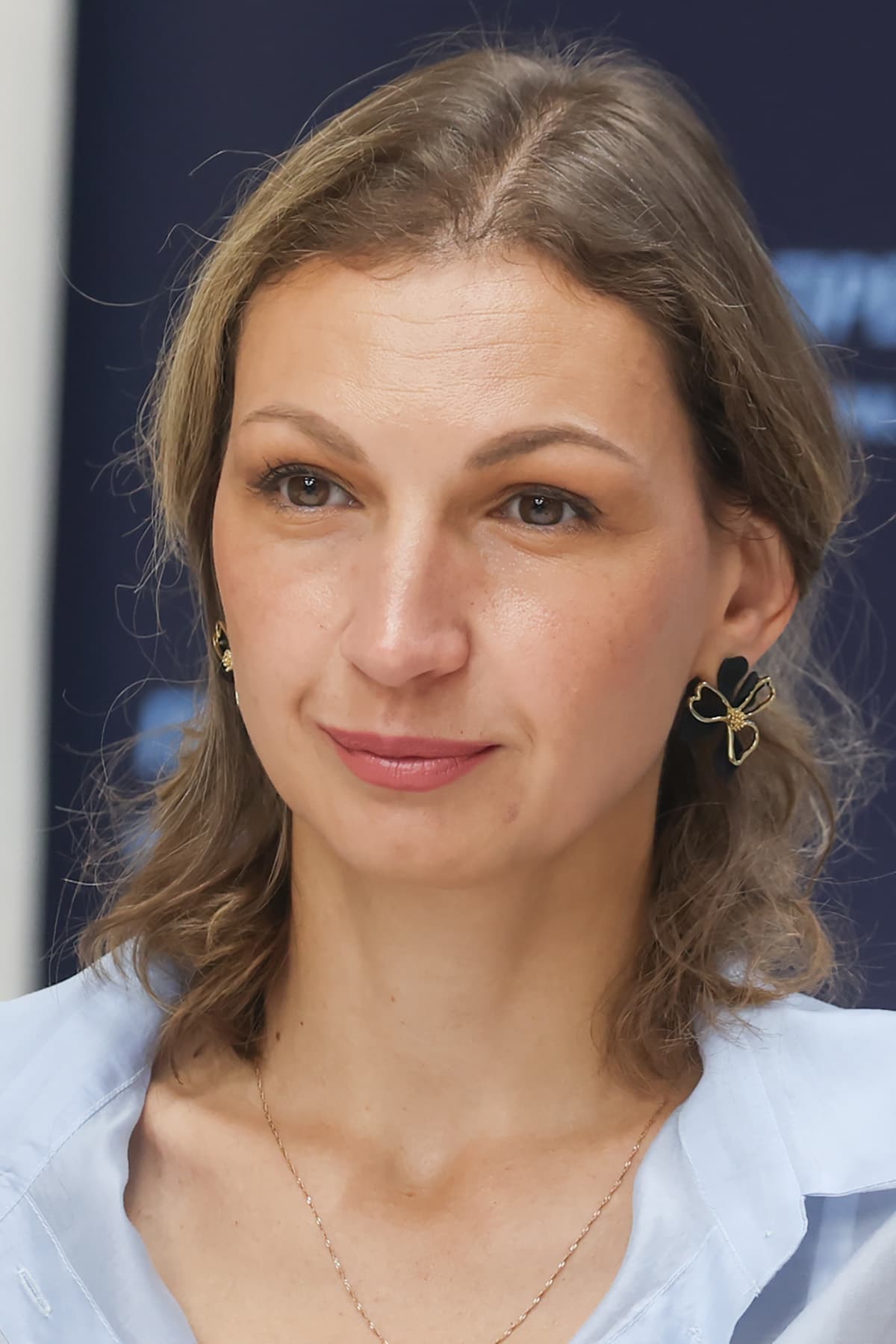
Veronica Lobashova. “An additional factor of caution is family history: if relatives have diabetes or hypothyroidism, the risk of violations is higher, and the consultation of an endocrinologist will be justified,” said endocrinologist, associate professor of general medical practice with a course in geriatrics and palliative medicine BSMU candidate of medical sciences Veronika Lobashova. There’s a lot of talk about hormones and the “cortisol belly.” But it's not cortisol per se. The problem is chronic fatigue, constant stress, disturbed sleep and inattention to their own state. It is these factors that change eating behavior, increase cravings for high-calorie foods, violate insulin sensitivity and create conditions for weight gain.
basikirskaya@sb.by