Endocrinologist Elena Yurenya - about insulin, cortisol, T3, T4 and vitamin D
For women of any age, weight gain is a serious problem. Changes in appearance can cause dissatisfaction with yourself and even lead to...


For women of any age, weight gain is a serious problem. Changes in appearance can cause dissatisfaction with yourself and even lead to nervous disorders. In addition, excess weight provokes the development of diabetes, cardiovascular and other diseases. With age, extra pounds often appear literally out of thin air. Diets and exercise, which gave an excellent result in 20-30 years, after 40 stop working. The body requires a new approach. And excess weight is not so much nutrition or laziness as hormones. We will talk about them in the context of slimness with the chief doctor of the Minsk City Clinical Endocrinology Center Elena Yurenei.

Alas, the natural withering of the body is programmed by nature. Every year we lose up to 10 percent of muscle mass, and muscle is the main consumer of energy. Therefore, with age, metabolism slows down and kilograms only arrive. Weight is affected by reserve hormones. Insulin is one of them. It is the only hormone that lowers blood glucose levels. But it blocks lipase, which is responsible for breaking down fat, and, along with cortisol, redirects the broken down fatty acids to deep abdominal fat depots (visceral fat). Hence insulin resistance, and the notorious cortisol abdomen. Moreover, insulin utilizes glucose and stores it in the liver. Abdominal obesity is the most common. Fat, forming a kind of lifeline, is deposited mainly on the stomach and sides, as well as around the internal organs.

The stress hormone cortisol in prehistoric times, when there was a hunt for mammoths, helped humanity survive. Now, when we live in conditions of constant chronic stress, it stimulates appetite, especially cravings for sweet and fatty foods. Therefore, when you want sweet, it is better to eat any protein product. Eat or not? A separate group are hormones - regulators of eating behavior. Leptin - the hormone of satiety - is produced by fat cells and tells the brain about satiety. It reduces appetite and protects us from overeating. But if leptin is elevated, its signal does not reach the brain and the person feels constant hunger. Leptin resistance causes a person to store fat.

To calm down these hormones is possible only by observing the regime of the day. There should be three main meals and possibly two snacks in between. The thyroid gland is the main regulator of the rate of metabolism and our weight. The hormones thyroxine (T4) and triiodothyronine (T3) are kind of heat stations that support metabolism and extract energy, allowing us to feel good. If they are not enough, the heat exchange is disturbed and the fat is distributed throughout the body. Reducing T4 levels can reduce the metabolic rate by up to 20 to 30 percent. Therefore, it is not surprising that with hypothyroidism, weight increases even from the usual amount of food. Growth hormone somatotropin helps maintain a healthy ratio between muscle and fat mass. It is this nocturnal fat burner hormone that helps children grow and fly in their sleep, and adults to lose weight. Somatotropin is produced only at night to provide the body with energy from fat deposits - fat depots. But if you eat densely at night, and even sweet, the level of insulin in the blood will rise sharply and block the release of somatotropin. The body will switch to processing evening food, and no night fat burning will occur. Therefore, it is so important not to eat 2-3 hours before bedtime and not to be awake at night. Otherwise, everything will affect the figure.

A pear or an apple? They contribute to our weight and sex hormones, the number of which decreases with age. Female hormones are the main builders of the figure. When a woman is in her prime, in her reproductive age, and estrogens predominate in the body, her figure is correct and beautiful. But as soon as the natural withering begins and estrogen becomes less and less, the body, trying to compensate for the lack of hormones, begins to accumulate fat. And already adipose tissue takes on the function of a supplier of estrogen.
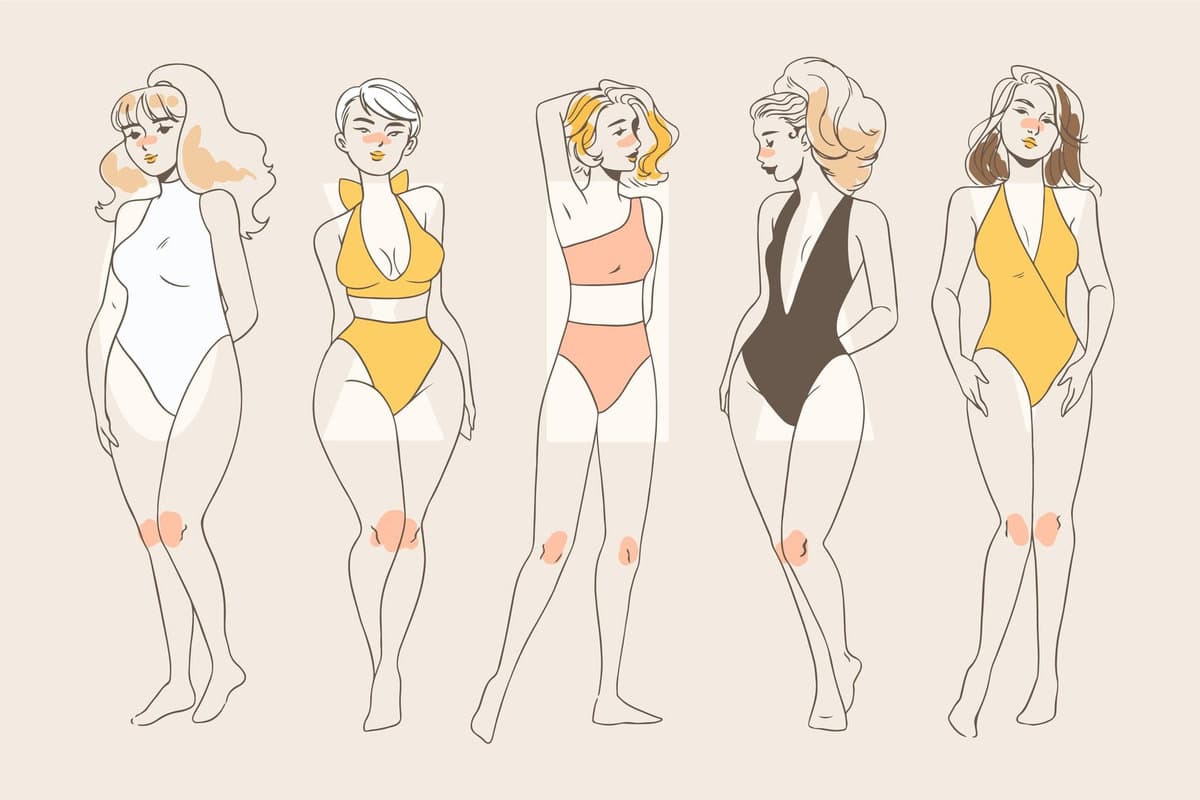
While the estrogen background is normal, the figure looks like an hourglass. When abdominal fat begins to be deposited around the waist, the "clock" turns into an "apple." Fat deposits on the stomach and sides are evidence of increased insulin.
If there are more estrogen than progesterone, then the figure looks like a pear. Fat is deposited in the buttocks and thighs so that a woman can perform her reproductive function.
Completeness in the legs and hips signals hormonal problems - estrogen is increased and progesterone is lowered. Fat is uniform throughout the body - a kind of rectangle - problems with the thyroid gland. There's a way out
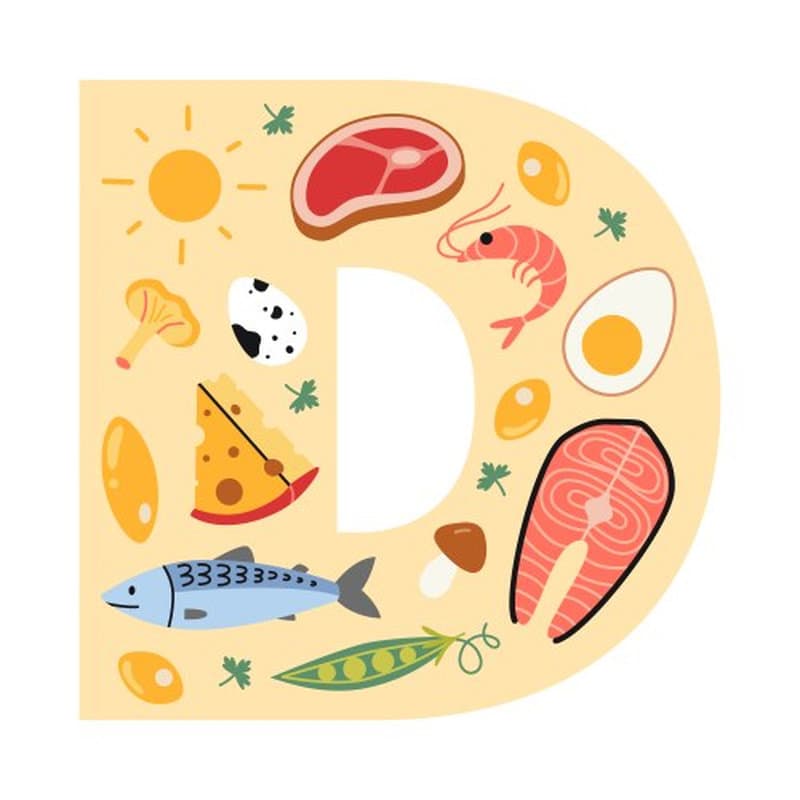
In the fight for the waist, you should not discount vitamin D. He is actively involved in metabolism. It, like many hormones (cortisol, testosterone and estradiol), has a cholesterol base. Lack of this solar vitamin can lead to the formation of insulin resistance and weight gain.

Prevention of hormonal obesity - a rational and healthy diet. The number of fat cells in the body is stable throughout life. Therefore, it is very important not to overfeed children, otherwise they cannot avoid obesity.
Physical activity should also be sufficient (but not exhausting). The body will perceive a large load as stress and will begin to store fat. Muscles are the main calorie burner. They work even when we are asleep.
After 45 years, the main rule is not to eat less and move more. It is much more important to fit into your new hormonal reality. Fault fructose Scientists have found the main factor of obesity
Fructose is not just a source of calories, it is a metabolic signal that stimulates the formation and accumulation of fat. Processed in the body, fructose leads to metabolic disorders. This conclusion was reached by a team of European scientists. The body fructose comes not only with food and drinks. Our body can also make it from glucose. Therefore, a constant excess of calories contributes to the development of chronic diseases.