Bone on the leg: when exercises will help, and when surgery is needed, explained the orthopedic traumatologist
“The bulging bone at the base of the thumb is a problem that many people face. It not only spoils the appearance of the foot, but also often...
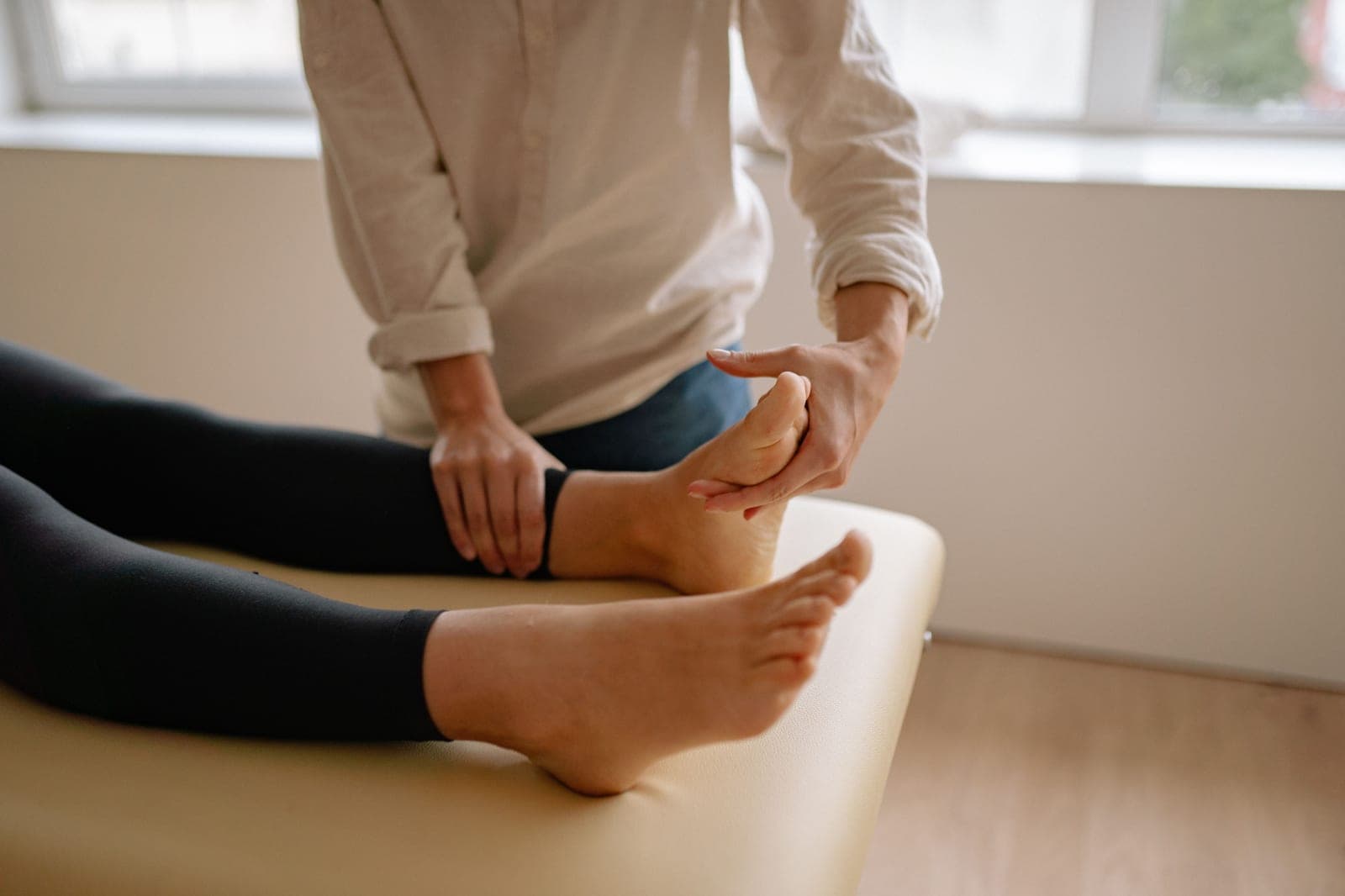
“The bulging bone at the base of the thumb is a problem that many people face. It not only spoils the appearance of the foot, but is often accompanied by pain, discomfort when walking and difficulties with the selection of shoes. The doctor - traumatologist-orthopedist Maxim Banetsky told how to remove the bone on the leg, writes sb.by.
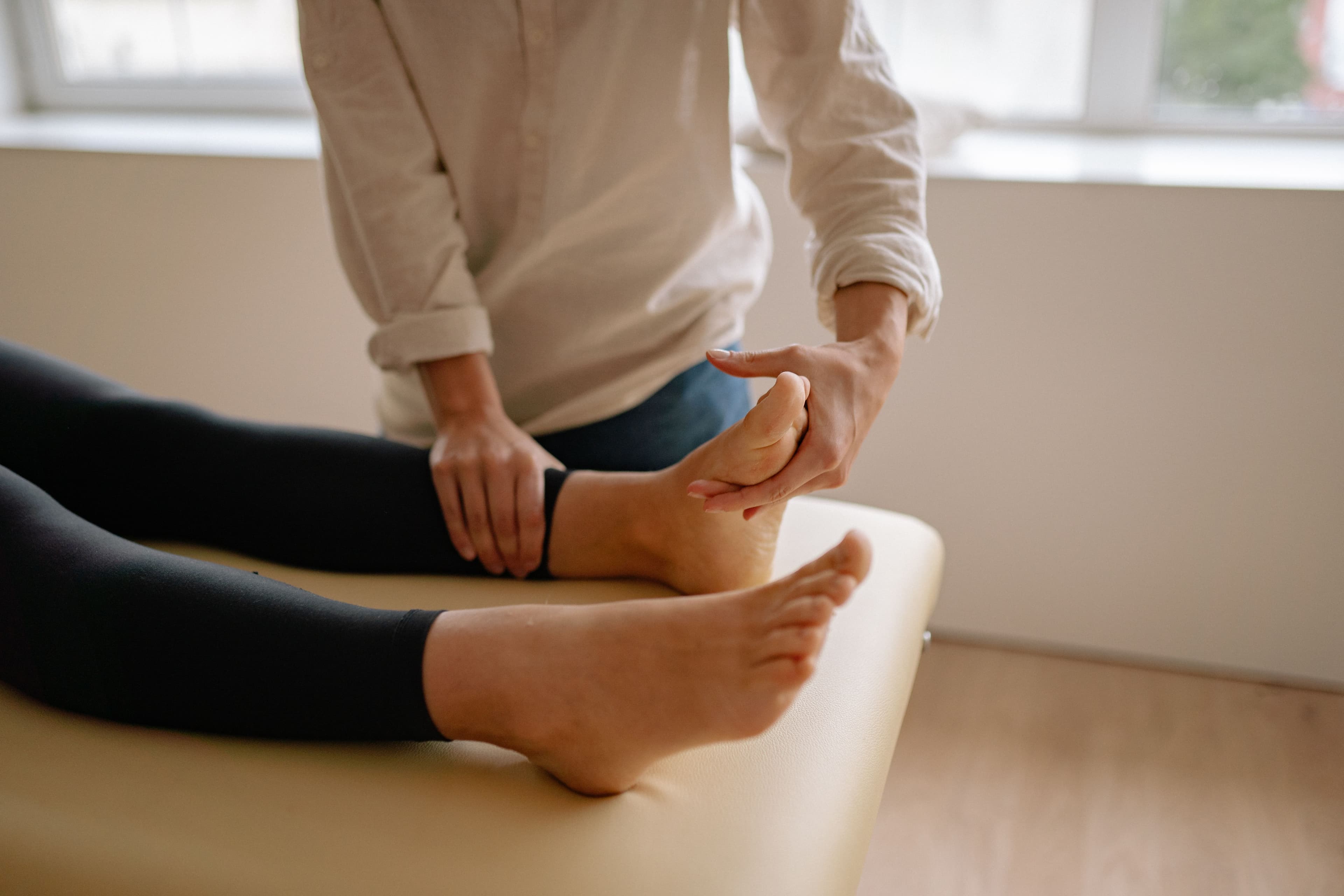
According to Maxim Banetsky, the effectiveness of exercises directly depends on the stage of deformation - it is determined by an orthopedist from X-rays:
- But there are also noticeable visual signs that the situation is already serious: a pronounced “bump”; the first finger noticeably falls on the second; a hammer-shaped deformation appears - the second finger lies on top of the first.
If you see these signs, it is most likely the third stage, the doctor added:
- In this case, the exercises do not help, so the issue is solved in an operational way.
But with a small bump and a slight deviation of the fingers, there is a good chance to greatly slow down the development of deformity with the help of exercises.
"Short foot" - creates isometric tension in the short muscles of the foot
Bring the front of the foot (finger pads) and the heel, while straining the middle of the foot, not the fingers. Hold the voltage for 5-10 seconds, then relax. Do 2-4 approaches per day.
"Discretion of the toes of the foot" - trains the weakened muscle responsible for the removal of the thumb
Try to spread your fingers as if you were opening a fan. This is a difficult exercise: at first it may not work out, because the desired muscle is weakened, and the muscles that lift the fingers, on the contrary, are stronger.
"British flag" - strengthens the muscles that squeeze the fingers and lift the arch of the foot
Put a towel or cloth on the floor and “rack” it with your fingers along certain lines: first in front, then on the left, and then on the right. This involves the right muscle groups and improves foot control.
Maxim Banetsky also does not recommend the active use of dividers between the first and second finger in the preoperative period, if the deviation is already strong: the divider together with the first finger can even more press on the second. For each type of deformation, its own correction is selected (sometimes it is individual insoles or special tires). Their choice is better to entrust the doctor after examining and assessing the features of the foot.
How to avoid complications after hip replacement: frequent mistakes of patients