Bloating: gastroenterologist - about the reasons and ways to cope with the problem
Bloating is a common problem: almost every second person experienced a feeling of bursting alive at least once. How do you deal with it? ...

Bloating is a common problem: the feeling of bursting in the stomach at least once experienced almost every second person. How do you handle it? Russian gastroenterologist Maxim Kaseev told sb.by.

According to Maxim Kaseev, bloating is associated with either an excess amount of gases in the intestine, or with increased sensitivity to their normal volume:
- It is important to remember that gases in the intestine are the norm. Discomfort occurs when there are too many of them or when the intestinal nervous system overreacts even to the usual amount of gas.
Three main causes of bloating:
Aerophagia (air swallowing) – often occurs if you eat on the go or not chew food thoroughly enough. Fermentation in the intestine - occurs when the volume of food eaten exceeds the ability of the intestine to digest: bacteria process food residues, releasing gases. Violation of intestinal motility - delayed motor skills interfere with the timely removal of gases, and excessive activity and spasms can block their exit from certain parts of the intestine.
In addition, Maxim Kaseev explained that there are two types of bloating:
- The first - functional - is more often associated with increased sensitivity of the intestine. The second - organic - can disturb constantly, regardless of food intake, including at night. In such cases, it is especially important not to postpone a visit to the doctor.
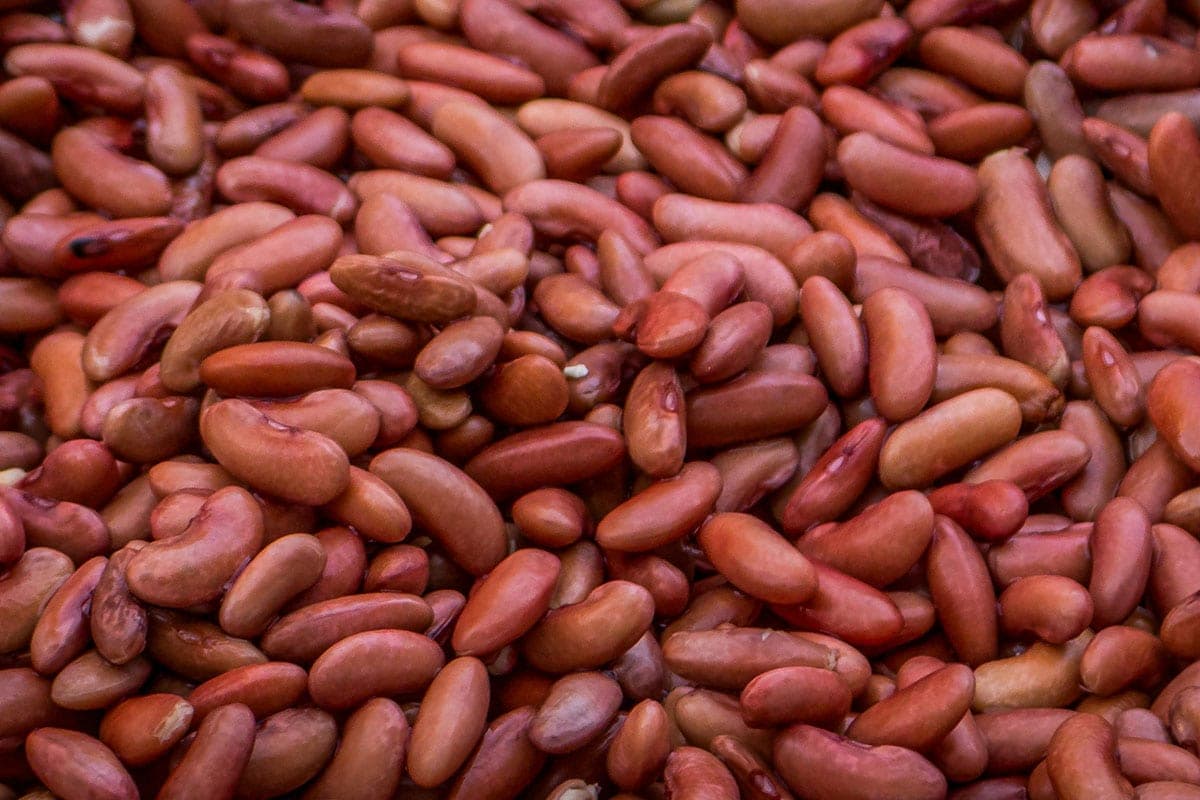
The doctor also explained that some products more often provoke gas formation and excessive growth of microflora:
- They are classified as high-FODMAP: these are many legumes, certain types of nuts, vegetables, fruits, as well as foods high in gluten and lactose, partly sweets. To reduce discomfort, a low-FODMAP diet (low in such components) can be used, but you do not need to completely exclude all potentially problematic foods. It is better to identify individual triggers - that is, those products that are more likely to cause bloating in you - and adjust the diet point by point.
Maxim Kaseev spoke about simple self-help measures:
- Eat slowly and chew food thoroughly - this reduces the ingestion of air. Avoid eating on the go. Do not lie down immediately after eating - it is better to walk for 15-20 minutes in a calm step - this helps intestinal motility and reduces spasms.
Consult a doctor if you note: abdominal pain against the background of bloating, stool disturbance (relaxation or delay), admixture of blood in the stool, common alarming symptoms: unmotivated weakness, decreased appetite, fever, the appearance of night symptoms (bloating, pain, stool disorders), the first appearance of bloating after 40-45 years, daily bloating, which cannot be corrected by simple measures.
Gastroenterologist called the top 5 main products - provokers of heartburn and explained how to deal with it