
Square, diaphragm, count: expert advised to cope with stress through breathing
Stress often accompanies us from the very morning: haste, work tasks and everyday worries interfere with stopping and taking a breath.
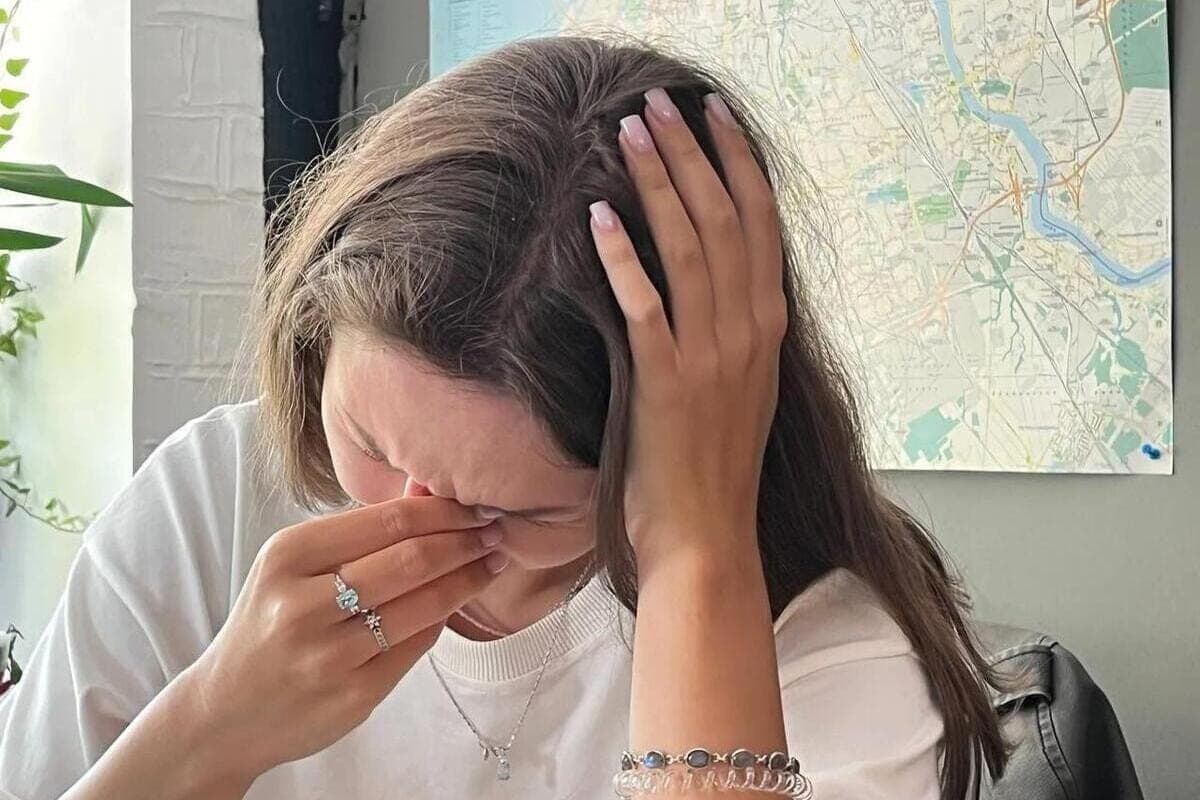
Stress often accompanies us from the very morning: haste, work tasks and everyday worries interfere with stopping and taking a breath. About how to use breathing to cope with stress, says Yolita Polishkene, associate professor of the Department of Physical Education of the Financial University under the Government of the Russian Federation. It offers simple exercises for the morning, afternoon and evening, which can be included in the usual routine.
Breathing gymnastics is one of the most affordable and science-based ways to reduce stress. The effect of breathing practice is cumulative. One-time exercise relieves acute stress, and regular practice of 10-15 minutes a day increases overall resistance to stress in a few weeks.
Breathing exercises do not replace therapy for clinical disorders, but serve as a powerful auxiliary tool.
Studies show that regular breathing practices reduce the production of cortisol, the main stress hormone. Already 5-10 minutes of slow breathing significantly reduces its concentration.
For daily prevention of stress, it is not intensity that is important, but regularity.
In the morning, perform diaphragmatic breathing. The starting position is lying or sitting. Put your hand on your stomach. Breathe in the nose on 4 counts - the stomach swells. Exhale by mouth for 6 counts - the stomach is drawn in. This sets the nervous system up for a quiet day and trains a basic skill.
During the day, make breathing a square. Inhale 4 counts, then delay 4 counts and exhale on 4 counts, and again on 4 breath holding. Repeat several times in a row. Convenient to do in transport, before the meeting. Quickly releases the accumulated tension.
In the evening - breathing for 4-7-8 bills. Inhale 4 - delay 7 - exhale 8. Elongated exhalation activates parasympathy, helps to relax and improves sleep.
Exhaling longer than inhaling is a key condition for reducing stress. It is the extended exhalation that triggers relaxation.
If you feel dizzy, go back to normal breathing. If you don’t have time at all, take three slow breaths with an extended exhalation each time you feel anxious. After 2-3 weeks of regular practice, most people notice a decrease in background anxiety.


