FT reveals 'years of difficulty' for airlines
Global airline executives believe fuel will remain expensive for a long time to come and may need an increase in flight costs
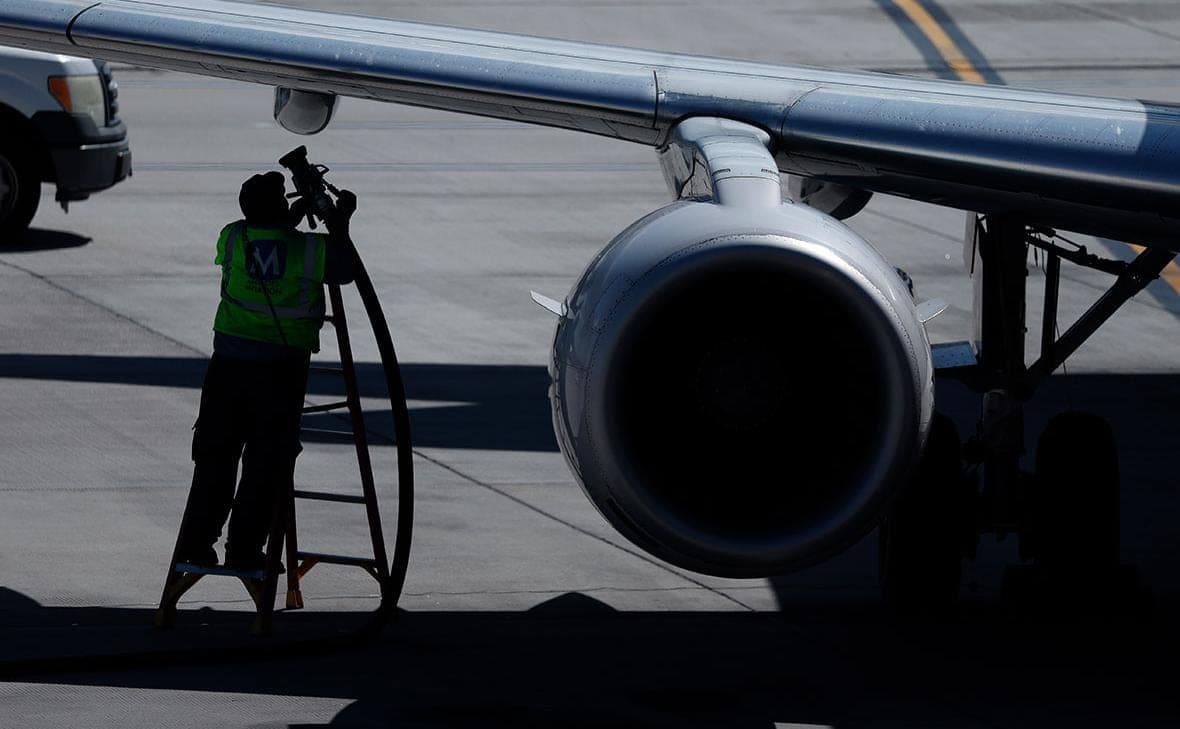
Major airlines say high fuel prices have become the “new normal” since the war with Iran began. Business executives said they were preparing for years of hardship because of concerns that passengers would not want to put up with further price increases needed to offset rising costs.
Air carriers had previously hoped for lower energy costs after a price spike caused by the closure of the Strait of Hormuz. Now, airline executives believe fuel will remain expensive for a long time to come.
“I think we have a difficult three or five years ahead of us. Demand is still there... But our opportunities to raise prices are not unlimited, said Luis Rodriguez, CEO of TAP Air Portugal.
Several other executives said they expected a review of long-term growth plans amid fears of weakening demand due to accelerating inflation caused by geopolitical instability.
Despite this, the FT, citing the analytical company OAG, notes that, according to statistics, passengers began to fly more often. According to the company, in the first half of 2026, 2.3 billion flights were booked, which is 1% more than a year earlier.
U.S. airline Delta Air Lines said this month it saw little to no drop in demand, despite ticket prices rising by an average of 20 percent. However, most carriers are still preparing for further tariff increases due to the end of hedging contracts.
The newspaper notes that Italian ITA Airways before the fuel crisis bought about 80% of the fuel it needs, but since then has not concluded new deals. CEO Jörg Eberhart said the company will be more vulnerable to price fluctuations next year.
"Like everyone else, we will try to raise prices," he said.
Roberto Alvo, CEO of South America’s largest airline, said the industry’s problem was not demand, but costs. “We have no problem with demand. We have a cost problem that is probably easier to deal with, he said.
However, airlines fear that passengers' desire to travel may soon begin to wane. “At some point, demand will start to collapse and inflation will eventually impoverish people,” said an unnamed CEO of a major airline.
“The main question is whether higher energy prices will hurt the economy as a whole. If so, we can expect a slowdown in demand, Alvo said.
In an effort to cut costs in the short term, some carriers are forced to choose between investing in new aircraft and investing in AI technologies that are needed to stay competitive.
“We need to decide where to invest,” said Marcus Schnabel of SunExpress, which is owned by Lufthansa and Turkish Airlines. He noted that the introduction of AI “is not free.”.
In June, the press service of Rosaviatsiya told RBC that due to the situation on the global fuel market, foreign carriers began to refuel aircraft at Russian airports more often to reduce costs.
As the FT wrote in April, the main direction of aviation fuel exports from the United States against the background of supply disruptions from the Persian Gulf countries was the United Kingdom. According to the London Stock Exchange, in March, the British market accounted for a quarter of all American exports of aviation fuel.