We talk about the useful properties of amaranth, which fights cancer and cardiovascular diseases
Dear readers! We continue our column "Green pharmacy" about the benefits of gifts of nature, filled with biologically active compounds that affect the work of natural medicine.
Dear readers! We continue our column “Green pharmacy” about the benefits of gifts of nature filled with biologically active compounds that affect the work of organs, metabolism, immunity and even mood. People have used the gifts of nature since ancient times: first intuitively, then consciously, passing on knowledge from generation to generation. Now herbal medicine is a recognized direction that studies the medicinal properties of plants and their application in medicine.
This time we will talk about the benefits of amaranth, which is also called shchiritsa. This culture is rich in protein and contains almost no sugars, so it is often chosen by those who care about proper nutrition and control body weight. Phytotherapist, corresponding member of the Belarusian Engineering Academy Yevgeny Shmerko is sure that the healing powers of amaranth are fraught with a huge health resource:
Many plants are endowed with healing properties, but amaranth among them stands out especially rich composition. It can be bought at a pharmacy or grown independently on the backyard. It is well suited to cereals, helps to establish metabolism, and oil from its seeds is used as an aid in oncology. Amaranth perfectly adapts to the Belarusian climate and does not require special care. Even the Incas many centuries ago, thousands of years before our era, actively added it to food. Due to drought tolerance, the plant can become a valuable agricultural crop: it can be eaten, and the green mass will serve as an excellent organic fertilizer. Have you ever thought that forgotten cultures of the past can be the key to the health of the future? Among such plants, a special place is occupied by amaranth - an amazing culture, which the ancient Aztecs and Incas revered as a gift of the gods, and the Spanish conquistadors declared a "devil's potion" and banned for centuries. Now, thousands of years later, Amaranth is experiencing a triumphant return. This is a real natural pharmacy that can withstand a number of serious diseases.
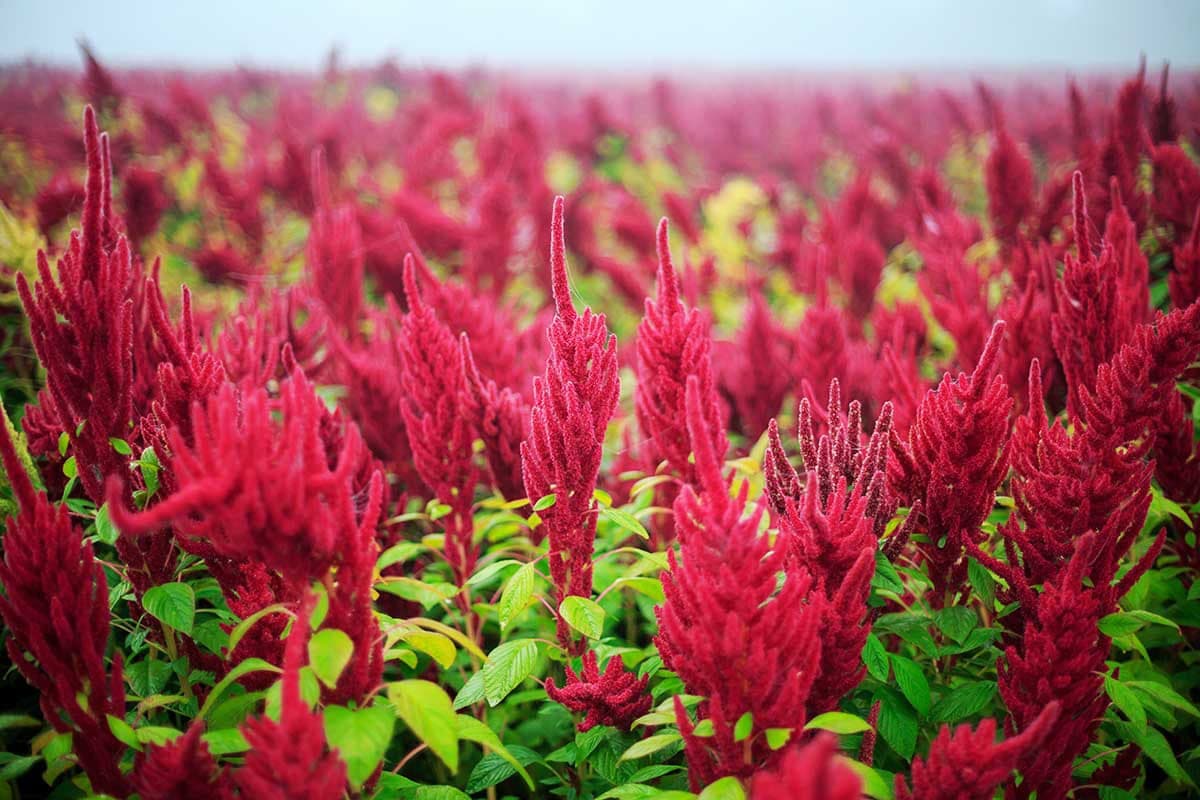
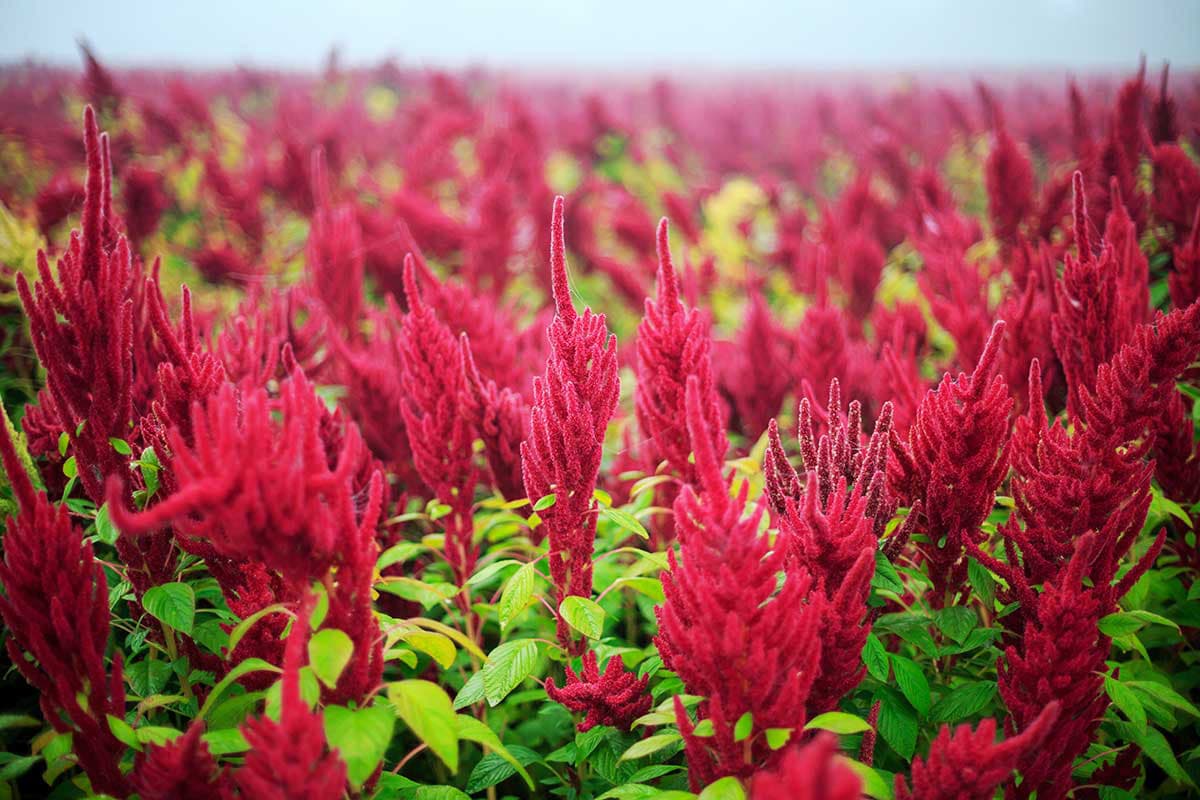
An annual herbaceous plant can reach a height of three and sometimes four meters. Imagine a powerful stem the thickness of the hand of an adult, topped with a luxurious blizzard of inflorescence - bright red, scarlet, burgundy or golden. These lush “tails” not only please the eye, but also serve as a source of valuable seeds. By the way, the seeds are so small that a thousand grains weigh less than a gram, but they will give a head start to many large crops. The birthplace of this miracle is Central and South America, where it was cultivated more than 8 thousand years ago. In Russia, it was also known under the name Shiritsa and was added to soup and bread.
Why is amaranth so unique? Why do nutritionists and doctors around the world recommend including it in the diet? The secret lies in its phenomenal chemical composition. Seeds contain up to 20 percent protein, and full-fledged, rich in the essential amino acid - lysine. According to this indicator, the plant overtakes most cereals and approaches the best varieties of soybeans. And most importantly, it's gluten-free! This makes it an indispensable product for people suffering from celiac disease. The seeds also found up to 8 percent fat, which contains an amazing substance – squalene. This powerful antioxidant actively fights free radicals, slowing the aging of cells and strengthening the immune system. Moreover, squalene is able to saturate tissues with oxygen, which has a beneficial effect on the work of the entire body. Vitamins C, E, A, group B, as well as potassium, calcium, magnesium, phosphorus, iron and zinc - such a bouquet makes amaranth a real natural treasure. Normalizes the level of glucose, increases hemoglobin But the most striking is the ability of amaranth to resist specific ailments. Scientific studies confirm its effectiveness in the fight against cardiovascular diseases. The plant helps to reduce the level of cholesterol in the blood plasma and helps normalize blood pressure in hypertension. It has antithrombotic properties, improves the condition of patients with coronary heart disease. For millions of people suffering from diabetes, amaranth also becomes a faithful ally: it helps to reduce blood glucose levels, and seed extract suppresses key enzymes of carbohydrate metabolism, reduces the absorption of glucose and cholesterol in the intestines. Studies in rats with diabetes have confirmed that the leaves of this plant have pronounced antidiabetic potential.
Anemia and iron deficiency conditions are another target for amaranth. A rich source of iron, it helps to increase hemoglobin levels. Clinical trials have shown that bread with the addition of a plant has a positive effect on the concentration of hemoglobin and helps reduce the prevalence of anemia in children. Amaranth leaves contain seven times more iron than lettuce leaves! But his healing power is not exhausted. Due to the content of squalene and special peptides, amaranth exhibits antitumor activity. In its composition, a peptide similar to soy lunazin was found, which is able to penetrate the cell nucleus, preventing malignant transformation. Animal studies have shown that leaf extract significantly reduces the volume of tumors and increases life expectancy.
Before the “gold of the ancient Incas”, liver diseases also recede due to hepatoprotective properties that protect the cells of this important organ from damage. The plant stimulates the immune system and modulates the immune response, as well as suppresses the production of immunoglobulin E, responsible for allergic reactions. Its aqueous extracts have a bactericidal and antifungal effect, help in the treatment of ulcerations of the mouth and throat, peptic ulcers, and fiber stimulates the growth of beneficial bifido- and lactobacilli. Neurological and mental disorders also recede: amaranth exhibits neuroprotective properties, protecting nerve cells from oxidative stress, and has antidepressant activity. Inflammatory processes, including arthritis, are also susceptible to its anti-inflammatory effects. What contraindications? Amaranth in food quantities is considered a safe product. This means that if you just add it to your porridge or salad, there’s nothing to worry about. Another thing is concentrated forms: oil, extracts, biologically active additives. This is where the nuances that you need to know begin. The most obvious contraindication is personal intolerance to components. In addition, the plant contains oxalates - natural compounds that, with excessive intake, can contribute to the formation of kidney stones.
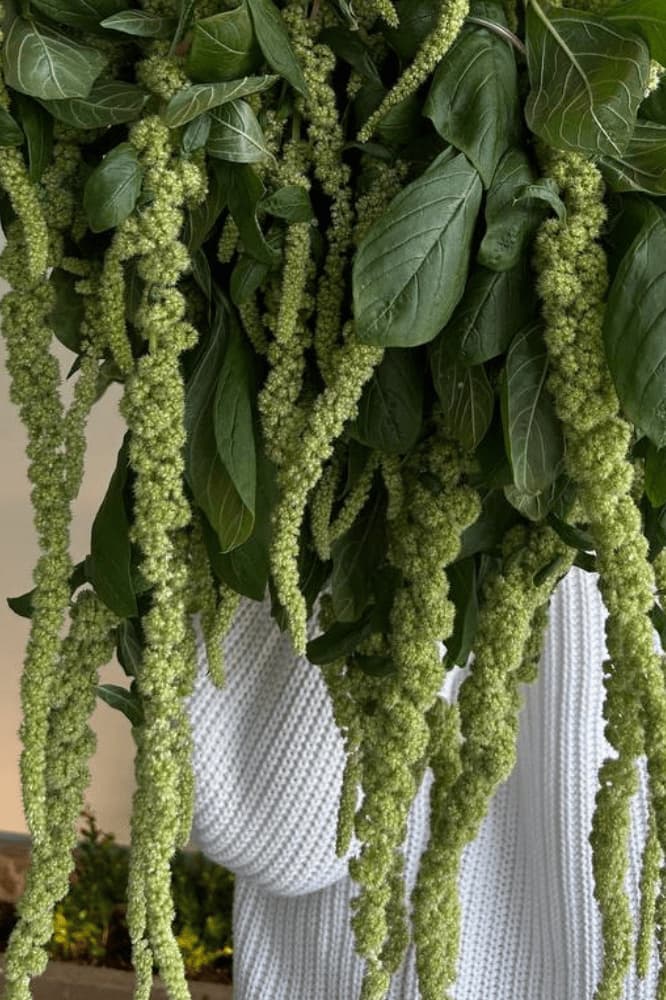
Therefore, caution should be exercised by people suffering from urolithiasis or having a predisposition to stone formation. For the same reason, the plant is not recommended for arthritis and gout, since oxalates can aggravate inflammatory processes in the joints. It is worth abstaining during pregnancy and breastfeeding, children under three years old, as well as with pancreatitis, cholecystitis and gallstone disease, severe chronic diseases of the digestive system. Where to grow? Amaranth can be grown in the garden. Suitable cultural varieties: vegetable, grain and decorative species, such as amaranth tricolor, scarlet, tailed. It is important not to confuse them with weeds - this is an ordinary weed, not a cultivated plant. The place you need to choose a sunny and well-drained, without stagnation of water and nearby groundwater. In the climate of Belarus, amaranth is better to grow through seedlings or sow in the ground after the earth warms up and passes the threat of frost. You should also control self-seeding: amaranth easily crumbles, and if you do not want it to multiply uncontrollably throughout the site, cut the snowstorms until the seeds are fully ripened or remove them in a timely manner.
basikirskaya@sb.by