Spinach, pumpkin and corn: what foods to include in the diet to maintain eye health
The retina consumes a huge amount of energy to convert light rays into nerve impulses. In this process, molecules are formed.
The retina consumes a huge amount of energy to convert light rays into nerve impulses. In the process of this work, molecules are formed that can damage eye tissue. About how to help the body protect itself from this effect, told the Russian ophthalmologist Anna Shipunova, writes sb.by.
According to the doctor, in the central zone of the retina, natural protectors accumulate - lutein and zeaxanthin. These carotenoids act as filters that block harmful radiation and neutralize the decay products. Since our body does not produce these substances on its own, it is necessary to obtain them regularly from food.
The main sources of these pigments are vegetables of bright and rich colors:
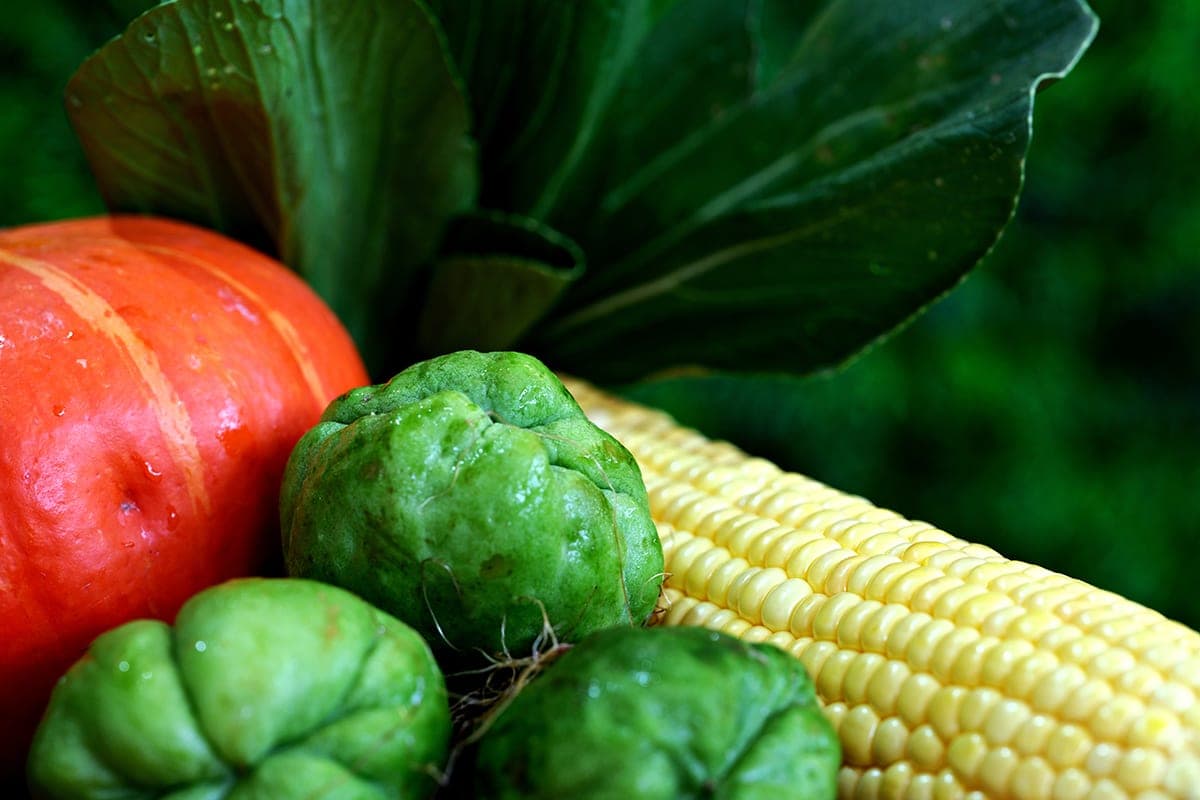
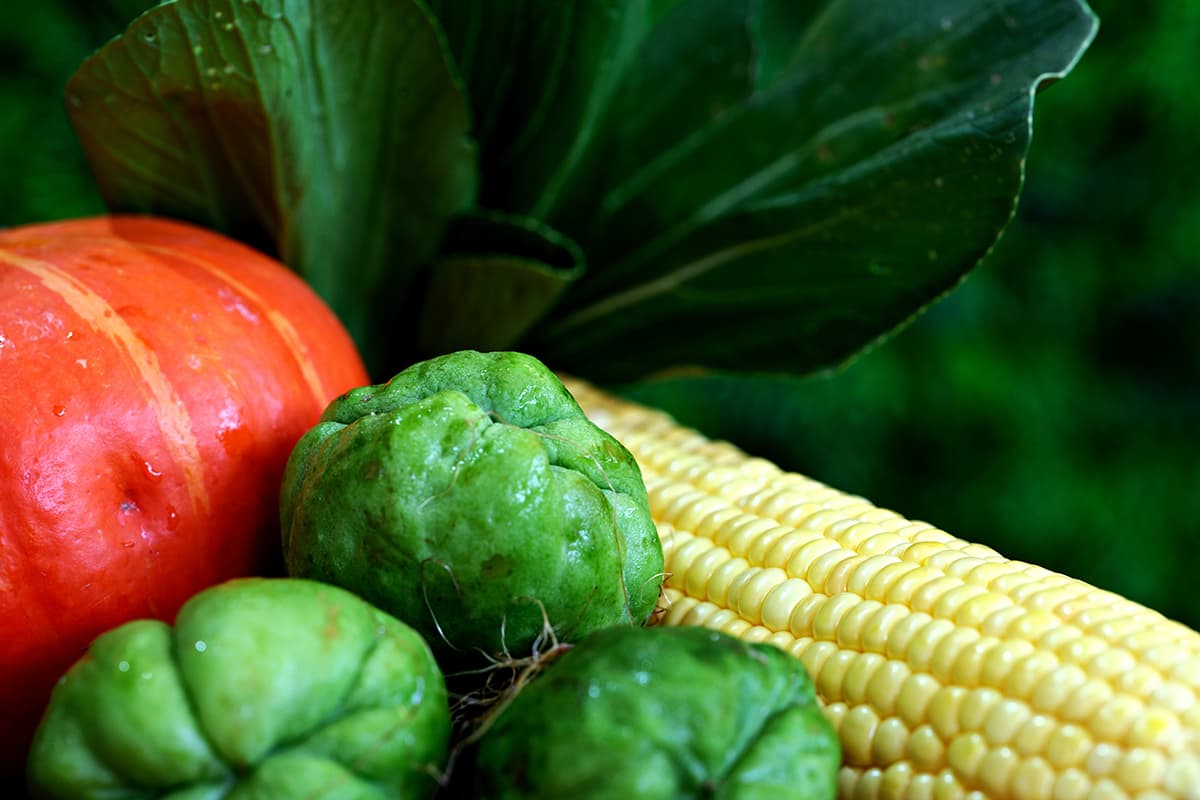
• Lutein is abundant in dark green vegetables. These include spinach, broccoli, kale, zucchini, squash and green peas.
Zeaxanthin is more common in orange fruits, such as pumpkin and corn.
The specialist emphasized a critical nuance: lutein and zeaxanthin are fat-soluble substances. This means that even the freshest spinach will not benefit your eyes if you eat it dry. In order for useful pigments to be absorbed, vegetables must be consumed along with fats. It can be vegetable oil, sour cream, cream, avocado or a handful of nuts.
"A healthy person does not need to resort to dietary supplements - it is enough to include a variety of colored vegetables in your diet daily, correctly combining them with healthy fats," the doctor concluded.
Floating “flies” before the eyes: can they get rid of and in what cases you need to urgently go to the doctor